
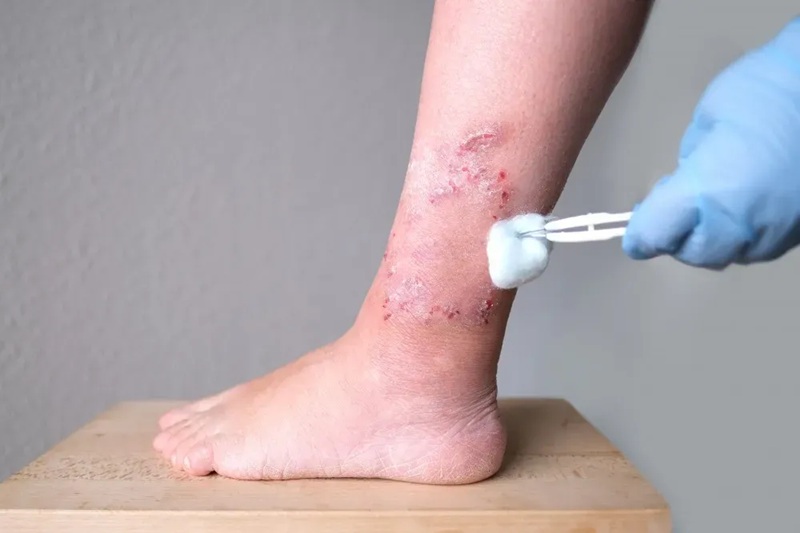
Wounds are your body’s natural response to injury, and healing is a sign that your body is doing its job. But sometimes, wounds seem to take forever to close, leaving you wondering what went wrong. While chronic conditions like diabetes and infections are well-known culprits, other, less obvious factors may be silently sabotaging your recovery.
So, if your wounds are healing slower than expected, your body might be trying to tell you something about your overall health.
Here are five surprising causes of delayed wound healing, along with what they might mean and how to address them.
1. Nutrient Deficiencies
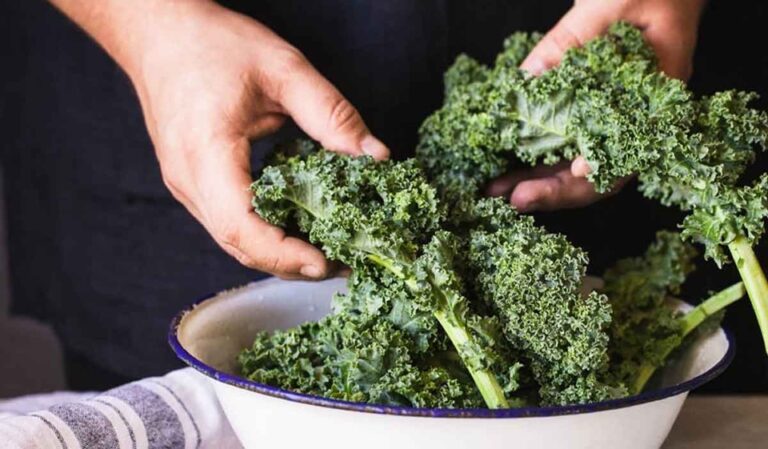
Your body relies on essential nutrients like vitamins C, A, and zinc to repair tissues and produce collagen, which is crucial for forming new skin. If your diet is lacking in these nutrients, your body may struggle to close wounds effectively.
Poor nutrition might be a sign of an unbalanced diet or issues like nutrient malabsorption. If you’re frequently tired or experience other symptoms like brittle nails or hair loss, it’s a good idea to check your nutrient levels.
2. Excess Stress
Stress doesn’t just affect your mind; it impacts your physical health too. When you’re in a constant state of stress, your body releases cortisol, a hormone that suppresses your immune system and slows down the healing process.
Persistent stress may indicate that your body is overstimulated and unable to relax. Stress can also lead to unhealthy lifestyle habits like not sleeping well or eating poorly, which compound the problem.
Try to incorporate stress-relieving techniques into your day, such as deep breathing, yoga, or meditation. Even a 10-minute walk can reduce stress levels and help your body heal faster.
3. Poor Circulation
Blood delivers oxygen and nutrients needed for wound healing. When circulation is poor, your cells don’t receive what they need to start the healing process. People who sit for long stretches, smoke, or have certain medical conditions like peripheral artery disease (PAD) often experience reduced blood flow.
Poor circulation may be a symptom of a sedentary lifestyle or underlying cardiovascular issues. It’s a sign to take note of your overall health habits. So, try to stay active.
4. Imbalance in Blood Sugar
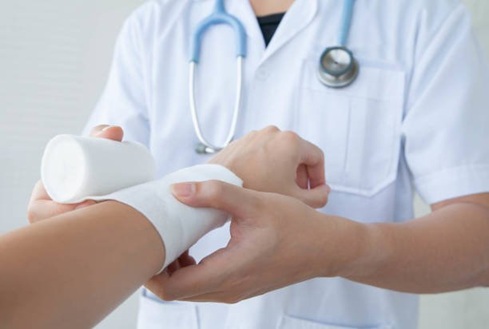
People often associate slow wound healing with diabetes, but even mild blood sugar imbalances can delay recovery. Elevated blood sugar affects immune responses and reduces the body’s ability to fight infection, which can complicate wound healing.
Slow healing due to blood sugar imbalance could mean that your glucose levels are slightly dysregulated, even if you’re not diabetic. It’s worth monitoring to avoid long-term consequences.
Always pay attention to your diet and choose foods with a low glycemic index, like whole grains, vegetables, and legumes. Regular exercise can also help balance blood sugar levels.
5. Chronic Low-Grade Inflammation
Inflammation is a natural part of healing, but when it becomes chronic, it can actually slow the process down. Factors like hidden infections, an inflammatory diet, or autoimmune conditions may contribute to low-grade inflammation.
Prolonged inflammation may signal an overworked immune system or a hidden condition that needs addressing. Symptoms like joint pain, fatigue, or skin issues often accompany this issue.
You can reduce inflammation by avoiding processed foods, fried items, and sugar. Incorporate anti-inflammatory foods like turmeric, ginger, and omega-3-rich fish. Pursue regular exercise and prioritize restorative sleep to support your immune system.
Conclusion
Slow wound healing is your body’s way of raising a red flag. While some causes are obvious, others can catch you off guard. Nutritional gaps, stress, poor blood flow, blood sugar imbalance, and chronic inflammation are all factors that might be delaying your recovery and affecting your overall well-being. The good news is that small, consistent changes can make a big difference.