


At first glance, a small difference in leg length might seem insignificant. After all, how much can a few millimeters really affect your body? The answer, however, is “a lot.” Even a slight leg length discrepancy, whether structural or functional, can set off a cascade of imbalances throughout your body. This imbalance impacts your joints, muscles, and posture in ways that may surprise you, leading to chronic pain, fatigue, and limited mobility.
The Biomechanics Behind Leg Length Discrepancy
Your body is designed to function as a symmetrical machine, with equal weight distributed across both sides. When one leg is even slightly shorter than the other, it disrupts this natural alignment, throwing your biomechanics off balance.
This discrepancy can be categorized in two ways:
- Structural LLD occurs when there is a measurable length difference between the bones of each leg.
- Functional LLD arises when muscle imbalances or joint issues cause one leg to appear shorter without any actual bone-length difference.
Chain Reactions Begin
When one leg carries more weight or has a different range of motion, compensatory patterns develop. These patterns can affect various parts of the body, causing:
Hip and Pelvic Imbalances
The pelvis tilts unevenly to accommodate the shorter leg, creating strain on your hip joints. This can lead to the overuse of muscles on one side and underuse on the other, exacerbating the imbalance.
Spinal Misalignment
The uneven tilt in the pelvis often translates into spinal misalignment. Over time, this can cause conditions like scoliosis, lower back pain, or even herniated discs as the body works to maintain its equilibrium.
Knee and Ankle Issues
The longer leg tends to overextend at the knee, while the shorter leg compensates by placing more pressure on the toes and ankles. This can lead to joint pain, arthritis, or ligament strain in these areas.
Muscular Chain Reactions
Muscles throughout the body adjust to the imbalance. Some become overly tight, while others weaken, causing discomfort and limitations in mobility. Over time, this muscular disparity can create postural changes that worsen the initial problem.
Identifying and Addressing Leg Length Discrepancy
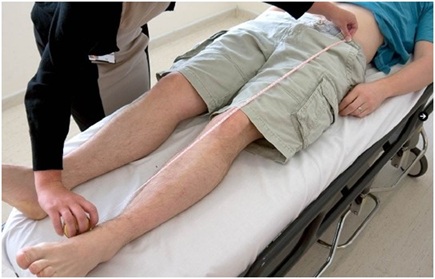
The key to stopping these chain reactions is early identification and intervention.
Here’s how you can address the issue effectively:
1. Get a Professional Evaluation
Don’t rely on your own observations to diagnose LLD. A healthcare professional, such as a chiropractor, physical therapist, or orthopedic specialist, can perform a thorough evaluation using tools like X-rays or level measurements to determine the type and severity of your discrepancy.
2. Corrective Exercises
Specific exercises targeting muscular imbalances can help alleviate functional LLD. Stretching tight muscles, such as the hip flexors on the shorter side, and strengthening weaker muscles, like the glutes on the longer side, can restore balance and mobility.
3. Postural Awareness
Work on improving your overall posture by engaging in activities like yoga, Pilates, or mindfulness-based practices. Proper alignment can reduce the strain caused by LLD and prevent worsening of symptoms.
4. Use Orthotics
Custom shoe inserts or lifts are a game-changer for structural LLD. They can compensate for the leg length difference, reducing stress on your hips, spine, and joints. It’s essential to work with a specialist to create orthotics tailored to your specific needs.
5. Regular Movement
Staying active is crucial for keeping your muscles balanced and joints healthy. Gentle activities like swimming or cycling can help without exacerbating discomfort, allowing your body to build strength in a low-impact way.
Conclusion
Leg length discrepancy might seem like a minor quirk, but it can lead to major chain reactions throughout your body if left unaddressed. From spine misalignment to joint pain and muscular imbalances, its ripple effects can undermine your overall well-being.
With professional evaluation, corrective measures, and consistent self-care, you can restore balance to your body and break the cycle of discomfort. Taking the first step toward understanding and managing LLD is essential in ensuring long-term physical health, mobility, and comfort.