
Caring for a wound may seem straightforward, but the reality is that even small mistakes can prolong healing and increase the risk of complications. From improper cleaning methods to overusing products, there are several common pitfalls in wound care that people often overlook. If your wounds aren’t healing as quickly as they should, it might be time to take a closer look at your habits.
Here, we’ll uncover some of the most common wound care mistakes and provide tips on how to give your body the best chance at a speedy recovery.
1. Improper Cleaning Techniques
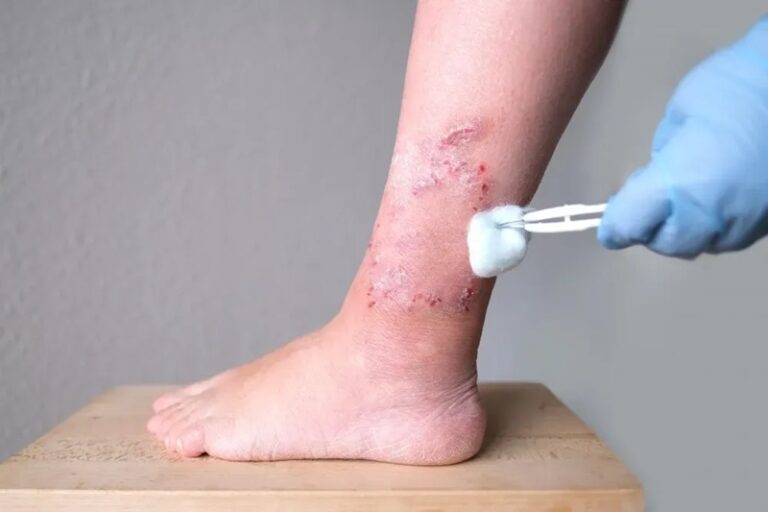
One of the first and most important steps in wound care is cleaning the area, but this seemingly simple step is often mishandled. For instance, many people think disinfecting a wound with hydrogen peroxide or rubbing alcohol is the right thing to do. These substances, however, can damage healthy tissue surrounding the wound, slowing the healing process and causing irritation.
What to Do Instead:
Gently cleanse the wound with clean, lukewarm water or a saline solution to remove dirt and debris. You can also use mild, unscented soap around the area if needed. Always be gentle to avoid further injury to the wound.
2. Overuse of Antibiotic Ointments
While antibiotic ointments can be helpful, overusing them might lead to unintended consequences, such as creating a moist environment that fosters bacterial growth or allergic reactions in some cases. People often continue applying ointments long past the stage when they’re actually needed.
What to Do Instead:
Use antibiotic ointment sparingly, primarily during the first few days after the wound occurs. Once the wound forms a protective scab, you can shift to moisturizing it with a non-stick, soothing product like petroleum jelly to prevent it from drying out and cracking.
3. Skipping Proper Dressings
Leaving a wound uncovered might seem like a good idea to “air it out,” but it’s usually not the best approach. Open wounds are more prone to infections, scarring, and delayed healing. On the other hand, using the wrong type of dressing can trap harmful moisture or irritate the skin further.
What to Do Instead:
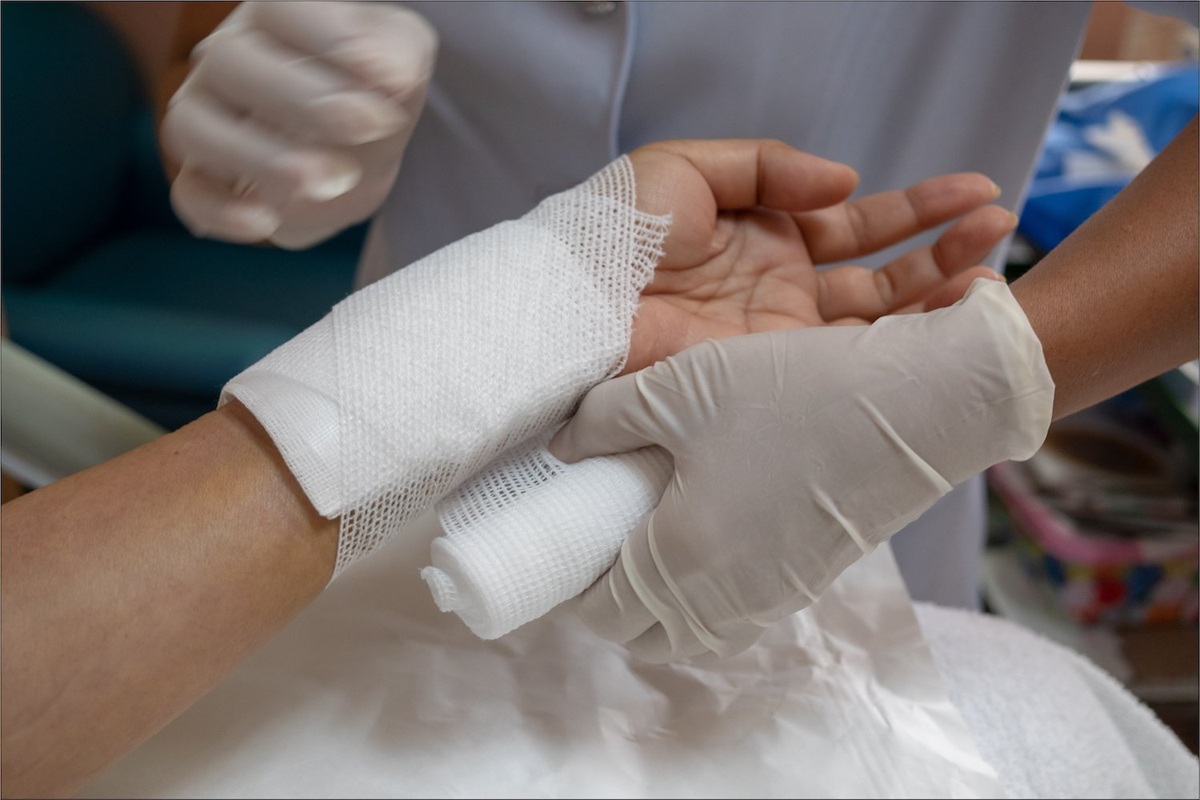
Cover the wound with an appropriate dressing to protect it from dirt, bacteria, and other external irritants. Use sterile, non-stick gauze pads or adhesive bandages, and change the dressing daily or whenever it becomes dirty or wet.
4. Ignoring the Signs of Infection

One of the biggest mistakes in wound care is disregarding warning signs of infection. Redness, swelling, warmth, increased pain, oozing, or a foul odor can all indicate that something isn’t right. Neglecting these symptoms could lead to serious complications, such as cellulitis or even sepsis.
What to Do Instead:
Keep an eye on your wound and monitor its progress. If you notice any signs of infection, seek medical attention immediately. It’s always better to address potential problems early rather than wait until they worsen.
5. Neglecting Overall Health
Wound care doesn’t end with what you do externally. Your overall health plays a big role in how quickly you heal. If you’re not eating well, staying hydrated, or getting enough rest, your body may struggle to repair itself effectively.
What to Do Instead:
Support your body’s healing process by eating a balanced diet rich in vitamins C and A, zinc, and protein. Stay hydrated to keep your skin supple and your blood flowing efficiently. Rest is also crucial, as your body needs recovery time to repair itself.
Conclusion
Taking care of a wound requires more thought and effort than most people imagine. Mistakes like improper cleaning, overuse of ointments, and ignoring signs of infection can slow down the healing process, leaving wounds vulnerable to complications. By adopting good wound care habits, such as gentle cleaning, appropriate dressing, and monitoring for infection, you can give your body the tools it needs to heal faster and with less risk of scarring or infection.