

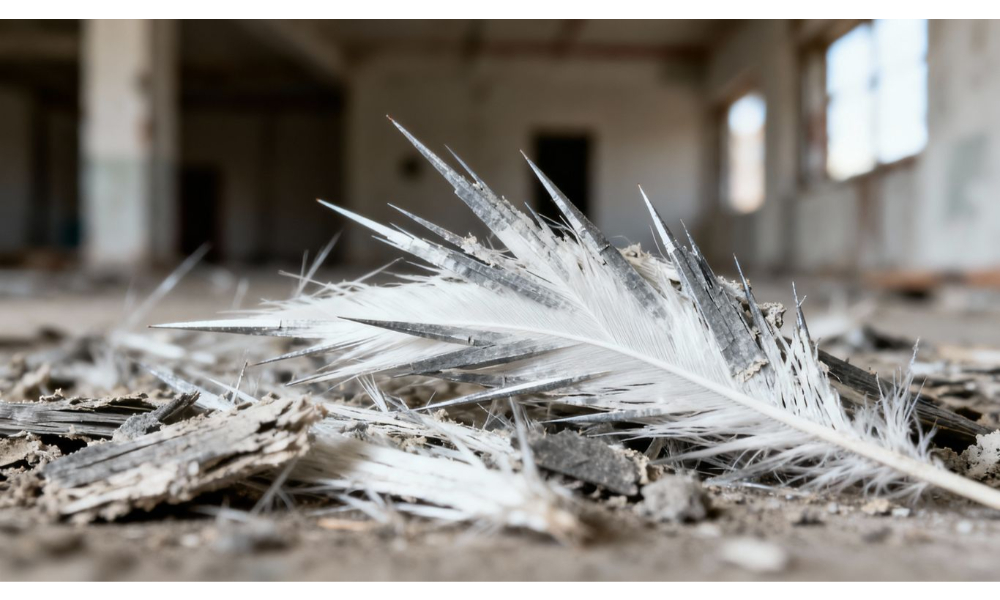
Many veterans served in environments where asbestos was a common building material. This mineral was widely used for its fire-resistant and insulating properties. Unfortunately, its widespread use in military settings means many service members were unknowingly exposed to its harmful fibers. This exposure is the primary cause of serious asbestos-related diseases later in life.
Historical Use of Asbestos in Military Settings
From the early 1900s through the 1970s, asbestos was a go-to material for the military. It was used in everything from insulation for pipes and boilers to fireproofing materials and even in the construction of barracks and other buildings. The military relied on asbestos for its durability and ability to withstand extreme conditions, especially in naval vessels and aircraft. Think about it: ships needed to be fireproof, and insulation was key for keeping engines and living spaces at the right temperature. Asbestos was the perfect, cheap solution for these needs. However, the dangers of inhaling asbestos fibers were not fully understood or disclosed at the time. Workers and service members often handled these materials without proper protection, leading to significant exposure.
Common Military Occupations at Risk
Certain jobs within the military put service members at a higher risk of asbestos exposure. These roles often involved working directly with or near asbestos-containing materials. Some of the most common occupations include:
- Shipyard workers: Especially those involved in the construction, repair, and maintenance of naval vessels. They worked with insulation, gaskets, and other asbestos-laden components.
- Mechanics and repair personnel: Working on engines, boilers, and other machinery that used asbestos for insulation and heat resistance.
- Construction and maintenance crews: Involved in building and repairing military facilities, where asbestos was used in insulation, flooring, and roofing.
- Firefighters and damage control personnel: Often had to deal with fires where asbestos materials were present, releasing fibers into the air.
- Boilermakers and pipefitters: Directly handled asbestos insulation on pipes and boilers.
Naval Vessels and Asbestos Exposure
Naval vessels, in particular, were veritable asbestos factories. Ships built between the 1930s and the 1970s relied heavily on asbestos for insulation, fireproofing, and sound dampening. Sailors and shipyard workers who served on or worked on these ships were exposed to high levels of asbestos fibers. The confined spaces on ships meant that airborne fibers could easily circulate and be inhaled by everyone onboard. Activities like maintenance, repairs, and even routine cleaning could disturb asbestos materials, releasing them into the air. This widespread use on ships means that a significant number of Navy veterans are at risk for asbestos-related diseases.
Health Risks Associated with Asbestos Exposure
When veterans are exposed to asbestos, it’s not just a minor inconvenience; it can lead to serious, long-term health problems. The tiny fibers from asbestos materials, when disturbed, become airborne and can be easily inhaled or ingested. Once inside the body, these fibers are tough to get rid of. They can settle in the lungs and other organs, causing irritation and inflammation that builds up over years. This slow damage is what leads to the various asbestos-related diseases.
Mesothelioma: A Primary Asbestos-Related Cancer
Mesothelioma is a particularly aggressive cancer that develops in the lining of the lungs, chest, abdomen, or heart. It’s almost exclusively caused by asbestos exposure. The latency period for mesothelioma can be very long, often 20 to 50 years or more after the initial exposure. This means a veteran might have been exposed decades ago during their service and only now be showing symptoms. Treatment options can be limited, and the prognosis is often challenging. Understanding the connection between past military service and this disease is vital for veterans seeking medical evaluation and imaging.
Asbestosis: Lung Scarring and Breathing Difficulties
Asbestosis is a chronic lung disease characterized by the scarring of lung tissue. The asbestos fibers irritate the lung tissue, causing it to become stiff and scarred. This scarring makes it difficult for the lungs to expand and contract properly, leading to shortness of breath, a persistent cough, and chest tightness. Over time, asbestosis can worsen, making even simple daily activities a struggle. It can also increase the risk of developing other lung conditions, including lung cancer.
Other Cancers Linked to Asbestos
While mesothelioma is the most well-known asbestos-related cancer, asbestos exposure has also been linked to other forms of cancer. These include:
- Lung cancer (especially in individuals who also smoke)
- Ovarian cancer
- Laryngeal cancer
- Possibly other cancers, though the link may be less direct or still under investigation.
The cumulative effect of asbestos fibers on the body can disrupt normal cell growth, leading to the development of these various malignancies. It’s important for veterans to be aware of these potential risks and to discuss any history of asbestos exposure with their healthcare providers.
Diagnosing Asbestos-Related Illnesses
Figuring out if an illness is connected to asbestos exposure isn’t always straightforward. Because these conditions often take a long time to show up, sometimes many years after service, it can be tricky to make the link. A thorough medical evaluation is key to identifying potential asbestos-related diseases.
Medical Evaluation and Imaging
When a doctor suspects an asbestos-related illness, they’ll start with a physical exam and ask about your health history. Imaging tests are a big part of this process. These can include:
- Chest X-rays: These can show changes in the lungs, like scarring or fluid buildup, which might point to asbestos exposure.
- CT Scans (Computed Tomography): These provide more detailed pictures of the lungs and chest, helping doctors spot smaller abnormalities that X-rays might miss.
- Pulmonary Function Tests (PFTs): These tests measure how well your lungs are working by assessing how much air you can inhale and exhale, and how quickly.
Importance of Revealing Military Service History
It’s really important for veterans to tell their doctors about their military service, especially if they think they might have been exposed to asbestos. Many veterans served in roles where asbestos was common, like on naval vessels and asbestos exposure. Knowing about this exposure helps doctors consider asbestos-related conditions as possibilities. Without this information, a diagnosis could be delayed or missed entirely.
Pathology and Biopsy Procedures
Sometimes, imaging isn’t enough to confirm a diagnosis. In these cases, a doctor might recommend a biopsy. This involves taking a small sample of tissue from the lungs or chest lining. A pathologist then examines this tissue under a microscope to look for specific signs of asbestos-related damage or cancer cells. This detailed examination is often the most definitive way to get a diagnosis for conditions like mesothelioma.
VA Benefits for Veterans with Asbestos Exposure
Veterans who developed illnesses due to asbestos exposure during their service may qualify for benefits through the Department of Veterans Affairs (VA). The VA recognizes certain asbestos-related conditions as service-connected, meaning they are presumed to have occurred during military duty. This recognition is important because it can lead to disability compensation and access to healthcare services. Understanding the eligibility criteria and the claims process is the first step for veterans seeking this support.
Eligibility Criteria for VA Claims
To be eligible for VA benefits related to asbestos exposure, a veteran typically needs to meet several requirements. These include:
- Proof of Military Service: Demonstrating that you served on active duty, active duty for training, or inactive duty training.
- Asbestos Exposure: Showing evidence that you were exposed to asbestos during your military service. This can often be presumed for certain roles and time periods, especially for those who served on naval vessels or in construction and maintenance roles. The VA has specific guidelines regarding presumed exposure for certain conditions.
- Diagnosed Illness: Having a current diagnosis of an asbestos-related disease, such as mesothelioma, asbestosis, or certain other cancers. The VA has a list of conditions that are presumed to be related to service if exposure is established.
- Service Connection: Establishing a link between your military service and your current illness. For many asbestos-related conditions, the VA presumes this connection if exposure occurred during service. You can find more information about military service exposures.
Disability Compensation for Asbestos Illnesses
If a veteran’s asbestos-related illness is deemed service-connected, they can receive disability compensation. The amount of compensation is determined by the VA based on the severity of the condition and its impact on the veteran’s ability to work and function. This compensation is paid out on a monthly basis. The VA uses a rating schedule to assign a disability percentage, with higher percentages resulting in greater monthly payments. For instance, conditions like asbestosis or mesothelioma are often rated at a high disability percentage due to their severity.
Healthcare Services Provided by the VA
Beyond financial compensation, the VA also provides healthcare services for veterans with asbestos-related illnesses. This includes specialized medical care, treatments, and medications related to conditions like mesothelioma and asbestosis. Veterans may be eligible for treatment at VA medical centers and clinics, often at no cost or a reduced cost, depending on their disability rating and other factors. The VA’s healthcare system is equipped to handle complex conditions, and seeking care through the VA can be a vital part of managing an asbestos-related disease. Veterans exposed to asbestos can pursue VA disability benefits and legal action against manufacturers simultaneously, allowing them to seek compensation for asbestos-related illnesses while still receiving their entitled VA benefits.
Pursuing Compensation for Veterans Asbestos Exposure
For veterans diagnosed with asbestos-related illnesses, seeking compensation is a significant step toward managing medical costs and lost income. The process can seem complicated, but understanding the available avenues is key. The Department of Veterans Affairs (VA) offers benefits, but other options exist if those are insufficient or unavailable.
Filing a VA Claim for Asbestos-Related Conditions
To file a claim with the VA, veterans typically need to demonstrate a service connection for their asbestos-related illness. This means showing that exposure likely occurred during their military service. The VA looks for specific evidence to support this connection. Key steps include:
- Gathering Service Records: Obtain your military personnel records, which may contain information about your job, duty stations, and any documented asbestos exposure.
- Obtaining Medical Evidence: Collect all medical records related to your diagnosis, including doctor’s notes, test results, and imaging reports. It’s important that these records clearly link your condition to asbestos exposure.
- Submitting the Claim: Complete and submit the necessary VA claim forms, along with all supporting documentation, to the VA.
⠀
Gathering Evidence for Your Claim
Strong evidence is the backbone of any successful VA claim. For asbestos-related conditions, this often involves more than just medical records. Consider collecting:
- Witness Statements: Testimony from fellow service members who can attest to asbestos use in your work environment or on your ship/base.
- Photographs or Documents: Any visual or written proof of asbestos materials present during your service.
- Expert Opinions: Sometimes, an independent medical expert can provide an opinion on the likelihood of service-related exposure and its connection to your current illness.
Appealing a Denied VA Claim
If your initial VA claim is denied, it’s not the end of the road. Veterans have the right to appeal the decision. The appeals process allows for the submission of new evidence or arguments. It’s often advisable to seek assistance during this stage, as the VA’s appeals process has specific timelines and requirements. Understanding why the claim was denied is the first step in building a strong appeal.
Legal Options Beyond VA Benefits
Asbestos Trust Funds for Veterans
Many companies that used asbestos have since gone bankrupt. To handle future claims, these companies established asbestos trust funds. Veterans who were exposed to asbestos from products made by these now-bankrupt companies may be able to file a claim with these trusts. These funds were set up to compensate individuals who developed asbestos-related diseases. The process involves demonstrating exposure to the company’s products and a diagnosis of an asbestos-related illness. Each trust has its own specific claim procedures and payout schedules, so understanding these differences is important.
Litigation Against Asbestos Manufacturers
For veterans exposed to asbestos from companies that are still in business, legal action through lawsuits might be an option. This involves suing the manufacturer or employer responsible for the exposure. These cases can be complex, requiring detailed evidence of exposure and the resulting illness. Proving negligence on the part of the manufacturer or employer is key to a successful lawsuit. The goal is to recover damages for medical expenses, lost wages, and pain and suffering.
Seeking Legal Counsel for Asbestos Claims
Given the complexities of asbestos claims, both through the VA and outside of it, seeking legal advice is often recommended. Attorneys specializing in asbestos litigation and VA claims can help veterans understand their rights and options. They can assist with:
- Gathering necessary medical and service records.
- Identifying responsible parties or applicable trust funds.
- Filing claims and managing the legal process.
- Representing the veteran in negotiations or court proceedings.
An experienced lawyer can make a significant difference in the outcome of a claim, ensuring all avenues for compensation are explored.
Additional Information