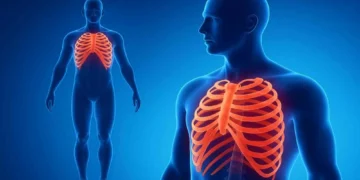


Heart valve repair once meant weeks of healing after a split breastbone. Today, many older adults skip that ordeal altogether. Doctors performing transcatheter aortic valve implantation (TAVI) usually enter through a small artery in the upper thigh. A thin tube then carries the new valve toward the narrowed one. No ribs are spread, so recovery feels far gentler. Most patients walk again within a day of the procedure.
How the Leg Route Works
A needle opening is made in the femoral artery near the hip crease. Guided by live X-ray images, doctors thread a catheter upward. The folded valve travels inside that catheter until it reaches the heart. Once in position, it expands to push the old valve aside.
Open Surgery Compared Simply
Traditional valve replacement requires cutting through the breastbone. Patients also need a heart-lung machine during the operation. Healing bone takes roughly six to eight weeks. The thigh route skips all of these steps.
Advantages Patients Usually Notice
Choosing the leg artery changes recovery in noticeable ways. These are the differences most patients report.
- Hospital stays often last only one to three days.
- Light sedation often replaces full anaesthesia for many patients today.
- Walking usually resumes within twelve to twenty-four hours.
- The small puncture heals without stitches across the ribs.
- Breathing feels easier since no breastbone wound needs healing.
- Lifting restrictions typically end after about one week at home.
- Older adults with frail health tolerate the approach better.
- Family members can usually visit the same evening afterwards.
Checking Artery Size Beforehand
Not every leg artery is wide enough for the catheter. A CT scan measures vessel width along with any calcium buildup. Teams planning transcatheter aortic valve implantation (TAVI) use these images to pick the safest route. Narrow or twisted arteries may require another entry point.
Possible Risks at the Puncture
Bleeding or bruising near the hip crease occurs in some patients. Damage to the artery wall is uncommon but may need repair. Some patients also require a pacemaker afterwards due to rhythm changes.
Recovery Milestones from Day One Onward
Healing follows a fairly predictable pattern for most patients. Timelines vary with age, along with general health. Your team will adjust advice based on progress. The table outlines common milestones.
| Milestone | Thigh Route | Open Surgery |
| Hospital stay | One to three days | Five to seven days |
| First walk | Same or next day | Two to three days |
| Driving again | About one week | Six weeks or more |
| Lifting allowed | About one week | Eight weeks or more |
| Visible scar | Tiny thigh puncture | Long breastbone wound |
| Full daily routine | Around two weeks | Two to three months |
Preparing for the Procedure Day
Patients usually fast from midnight before the procedure. Blood thinners may need adjusting several days earlier. Bringing a list of current medicines helps the team plan safely. Someone should be ready to drive you home after discharge.
Questions Patients Ask Most Often
- Does the thigh puncture hurt much after the valve procedure ends? Most patients feel only mild tenderness that fades within a few days.
- Will I be fully asleep during the whole valve procedure? Many centres now use light sedation, so general anaesthesia is often unnecessary.
- How soon can I walk after a leg route procedure? Most patients stand with help within twelve to twenty-four hours.
- Does every patient qualify for the thigh artery approach today? Most do, though narrow or heavily calcified arteries may need alternatives.
- How long does the new heart valve usually last after implantation? Current data shows good valve function for at least eight to ten years.
- Should I skip lifting heavy objects once I return home? Yes, skip heavy lifting for about one week to protect the puncture site.
Steady Steps Build Stronger Living
Reaching the aortic opening by way of a leg vessel spares the body major trauma. Shorter admissions plus quicker mobility suit frail people especially well. Careful scans decide whether this route remains safe for each person. Following medicine schedules, attending checkups, keeping active matter more than perfect timing. Consistent aftercare turns a quick fix into lasting cardiac health.